(720) 908-2957
 Locations
 Homework Center










You’re intelligent and capable. You’ve built a career, maybe even raised a family. Yet somehow, you’re still fighting the same battles you did in school: missing deadlines, forgetting appointments, drowning in paperwork, starting projects you never finish.
Your partner is frustrated by the dishes that don’t make it to the dishwasher. Your boss is concerned about missed details. And you’re exhausted from constantly feeling like you’re dropping the ball, even though you’re working twice as hard as everyone else seems to.
If this resonates, you’re experiencing executive function challenges that are common in ADHD adults. The good news? Executive function skills can be improved at any age. You’re not broken. Your brain just needs different strategies than what works for neurotypical adults.
Why Executive Function Feels Harder as an Adult

Here’s what makes executive function in ADHD adults particularly challenging: the expectations are higher, the safety nets are gone, and nobody’s checking to make sure you are on track to complete your tasks anymore.
In school, structure was built into your day. Classes happened at set times. Teachers sent reminders. Parents nagged about homework. As an adult, you’re expected to create all of that structure yourself while simultaneously managing a job, household, relationships, finances, health appointments, and everything else life throws at you.
The ADHD brain struggles with executive function because of differences in how it processes dopamine and regulates attention. This affects planning, organization, time management, impulse control, and working memory. These aren’t character flaws. They’re neurological differences that require specific strategies to improve executive function.
Planning and Prioritization: Taming the Chaos
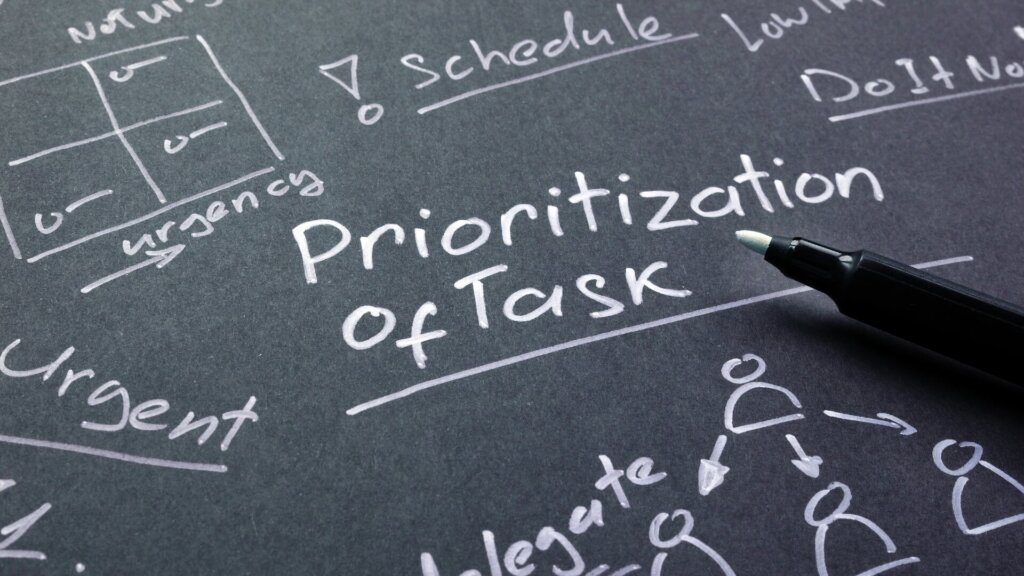
Adults with ADHD often struggle with planning because everything feels equally urgent, or nothing feels urgent until it’s a crisis. Here’s how to improve executive function around planning:
Time Blocking Instead of To-Do Lists: Traditional to-do lists don’t work for ADHD brains because they don’t account for time. Use time blocking: assign specific tasks to specific time slots. This helps individuals with ADHD understand time better by making abstract time concepts concrete and visible. Your calendar becomes your to-do list. If it’s not on the calendar, it doesn’t exist.
Weekly Planning Sessions: Schedule 30 minutes every Sunday to review the week ahead. What are your non-negotiables? What meetings do you have? What needs to be prepared in advance? This prevents Monday morning panic and helps you identify potential conflicts before they become emergencies.
Break Projects Into Impossibly Small Steps: Your brain resists vague tasks like “start presentation.” It doesn’t resist concrete actions like “open PowerPoint and create a title slide.” The smaller the step, the easier it is to start.
Impulse Control: Pausing Before Acting

Impulsivity doesn’t disappear with age. It just looks different. Adult impulsivity shows up as interrupting in meetings, making purchases you regret, sending emails you wish you could take back, or quitting projects when they get difficult.
The 24-Hour Rule for Decisions: Before making any non-essential purchase, commitment, or significant decision, wait 24 hours. Write down what you’re considering and why. Revisit it the next day when the dopamine rush has passed. You’ll be amazed how many “urgent” decisions lose their appeal.
Email Drafts, Not Sends: When emotions are high, write the email but save it as a draft. Come back two hours later (or the next morning) and reread it. Your future self will thank you for not sending that first version.
Physical Pause Techniques: When you feel the urge to interrupt, interject, react, or get on social media, use a physical anchor: press your thumb to your fingertips, take three deep breaths, or count to five. These brief delays give your prefrontal cortex time to catch up with your impulses.
Accountability Partners: Share your goals with someone you trust. “I’m trying not to take on new projects right now” or “I’m working on not interrupting.” External accountability helps strengthen internal impulse control as you improve executive function over time.
Task Management: Actually Finishing Things

Starting tasks is hard for ADHD adults. Finishing them is even harder. Your brain craves novelty, which makes sticking with boring-but-necessary tasks feel nearly impossible.
Body Doubling: Work alongside someone else, either in person or virtually. The presence of another person provides external accountability and helps maintain focus. You’re not working together, just working simultaneously in the same space.
External Deadlines and Consequences: Self-imposed deadlines don’t work for ADHD brains. Create real external accountability: schedule a meeting to present your work, tell someone you’ll send them the finished project by a specific date, or sign up for a class that requires completion.
Visible Task Management: Out of sight equals out of mind. Use a physical whiteboard, sticky notes on your mirror, or a dedicated area where current projects live visibly. Digital task managers work great for some ADHD adults, but many need visual, physical reminders.
Reward Completion, Not Perfection: ADHD adults often abandon tasks because they’re not perfect. Finished is better than perfect. Celebrate task completion regardless of quality. You can always improve it later, but you can’t improve what doesn’t exist.
When to Seek Professional Support
If executive function challenges are affecting your job performance, relationships, financial stability, or mental health, professional support can make a significant difference. ADHD coaching specifically helps adults develop personalized strategies, build sustainable systems, and maintain accountability as you improve executive function in real-world contexts.
Untapped Learning specializes in executive function coaching for students and adults with ADHD. Our coaches understand the unique challenges of adult life and work collaboratively with you to develop practical strategies that fit your specific circumstances, whether that’s managing a demanding career, running a household, or both.
Executive function skills can absolutely improve, even in adulthood. Your brain is capable of change, and with the right strategies and support, meaningful progress is not just possible, it’s probable.
Contact Untapped Learning to learn more about ADHD coaching and schedule a consultation.